Air Leak Chest Tube Download All Content #879
Start Now air leak chest tube high-quality broadcast. Without subscription fees on our streaming service. Experience the magic of in a boundless collection of clips provided in premium quality, ideal for choice watching viewers. With brand-new content, you’ll always have the latest info. Locate air leak chest tube specially selected streaming in fantastic resolution for a genuinely engaging time. Get involved with our content portal today to browse VIP high-quality content with totally complimentary, no need to subscribe. Receive consistent updates and investigate a universe of groundbreaking original content conceptualized for prime media experts. Don't pass up special videos—download immediately! Experience the best of air leak chest tube special maker videos with impeccable sharpness and preferred content.
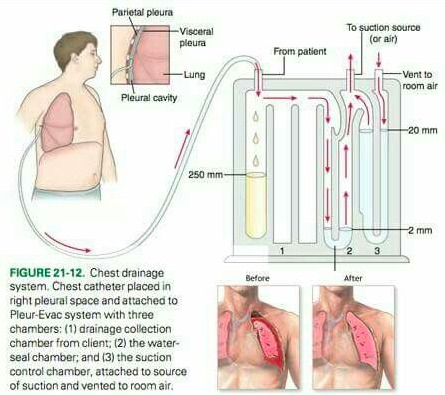
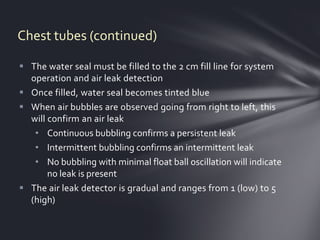
Learn how to assess, prevent, and manage air leaks from chest tubes, which can cause serious complications Syndromes include pneumothorax, pneumomediastinum, pulmonary interstitial emphysema, pneumopericardium, and pneumoperitoneum. Air leaks in chest tubes can be diagnosed by observing continuous bubbling in the water seal chamber of the drainage system, which indicates air escaping fro.
How To Check For Chest Tube Leak - Lordunit28
Thoracostomy tubes or catheters placed in hospitalized patients require a daily assessment to determine the presence of air leak, provide ongoing adjustment of suction level, and monitor for malfunction, which may include obstruction, malposition, or disconnection. For pleural effusions or hemothorax, the tube is typically removed when the drainage is < 100 to 200 ml/day of serous fluid. When a chest tube is placed, it is a medical procedure used to drain unwanted substances from the space surrounding the lungs
An air leak is a common occurrence in this process, signifying that air is escaping from the lungs into the drainage system.
The clinical expression of apf or bpf—caused by continued air flow from the endobronchial tree to the pleural space Evidenced by continued bubbling in the water seal chamber or recurrent pneumothorax despite chest drainage. Removal generally, chest tubes are removed when the underlying condition requiring their insertion has plateaued, improved, or resolved effusions Less than 150 cc in 24 hours ptx
Usually once air leak resolves, will transition from wall suction to water seal with a cxr prior to transitioning and prior to removal Generally guided by the team that placed the tube chest. How chest tubes work and why every 'leak' matters when the delicate balance within the chest cavity is disrupted, affecting a patient's ability to breathe and recover, medical interventions like chest tube insertion become essential Whatever its source, an air leak must be addressed and resolved before the chest tube is removed

Proper assessment of air leaks in chest tubes is critical for patient management decisions
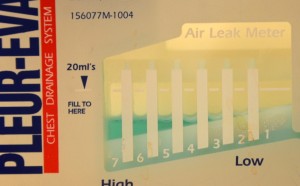
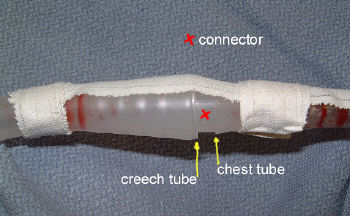
The most reliable method is direct observation of bubbling in the water seal chamber, with digital monitoring systems offering more objective assessment. Air leaks are common with chest tubes Learn what causes air to escape the lung and how doctors track its severity and resolution. An air leak originating outside the patient’s body is a mechanical problem involving the chest tube equipment or its connections
This type of leak is often caused by atmospheric air being pulled into the system, which then registers as bubbling in the water seal chamber. Sometimes, patients experience air leaks in chest tube systems, which can cause concern These leaks often manifest as bubbles in the water seal chamber of the drainage system Identifying the source of an air leak is crucial for effective treatment and may indicate a persistent pneumothorax.

If bubbles are present in the water seal chamber, this indicates air in the pleural space
Intermittent bubbling is common in a ptx while air is still escaping from the pleural space. 34036268) describes multiple cases of bpf/apf with persistent air leaks managed using vv ecmo This approach enabled ventilator settings even lower than ultraprotective lung ventilation, leading to spontaneous resolution of the air leaks without additional intervention. Proper chest tube management and ventilator management can help control many air leaks, and transition to an ambulatory drainage device (eg, heimlich valve) can allow a leak to heal while avoiding the morbidity associated with prolonged hospitalization.
Meaning when air leaks through the chest tube into the pleural space—the space between the lung and the chest wall—it is referred to as a pneumothorax or chest tube air leak This may cause lung collapse by interfering with the negative pressure required for lung expansion. B chest tube clamping should generally be avoided except when The patient complains of pain b
The drainage chamber is full of fluid c
Replacing the cdu, locating an air leak, or assessing removal readiness d Bubbling occurs during exhalation c before chest tube removal, the tube may be clamped for Chest radiograph is often repeated 12 to 24 hours after the last evidence of an air leak before removing the tube
Air Leak Chest Tube Download All Content #879
Launch The Stream unparalleled air leak chest tube streaming with flawless clarity. Always refreshed with new content and public access granted on the top-tier media collection.